From Vehicles to Solutions: A Smarter Approach to Fleet Standardization
May 1, 2026
By LESLIE AND ASSOCIATES
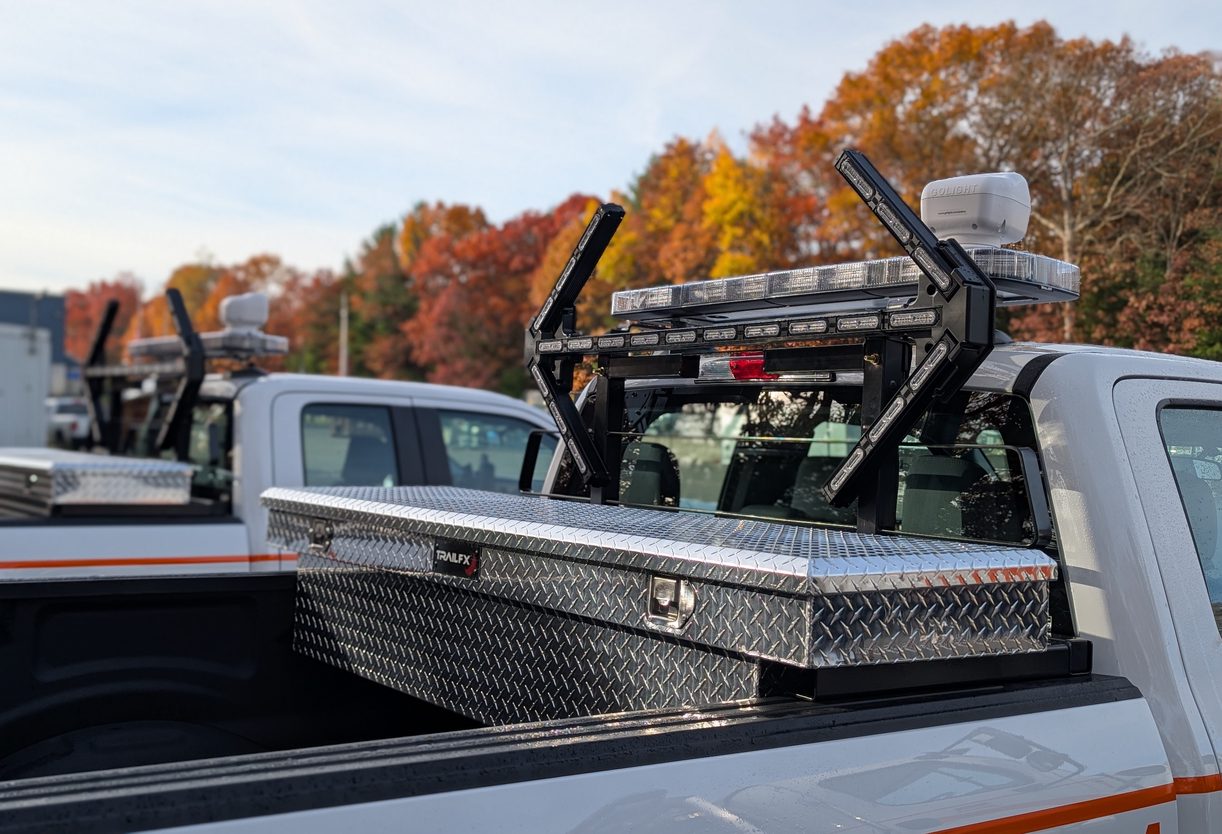
As utility and commercial fleets continue to evolve, one thing has become increasingly clear, managing consistency across a diverse range of vehicles is becoming more challenging.
Today’s fleets are made up of everything from pickups and service units to vocational and heavy-duty trucks. Each vehicle is often built through different partners, for different applications, and operates in different environments. While necessary, this creates variability that can impact training, service, and overall fleet efficiency.
What we’re seeing across the industry is a shift away from selecting individual components and toward building standardized, vehicle-based solution packages.
Instead of asking:
What parts go on this vehicle?
The question becomes:
What should this type of vehicle consistently look and behave like?
Building Around the Vehicle
By defining repeatable packages based on vehicle type; pickup, service, vocational, fleets can create a more consistent operator experience across the board.
These packages typically bring together:
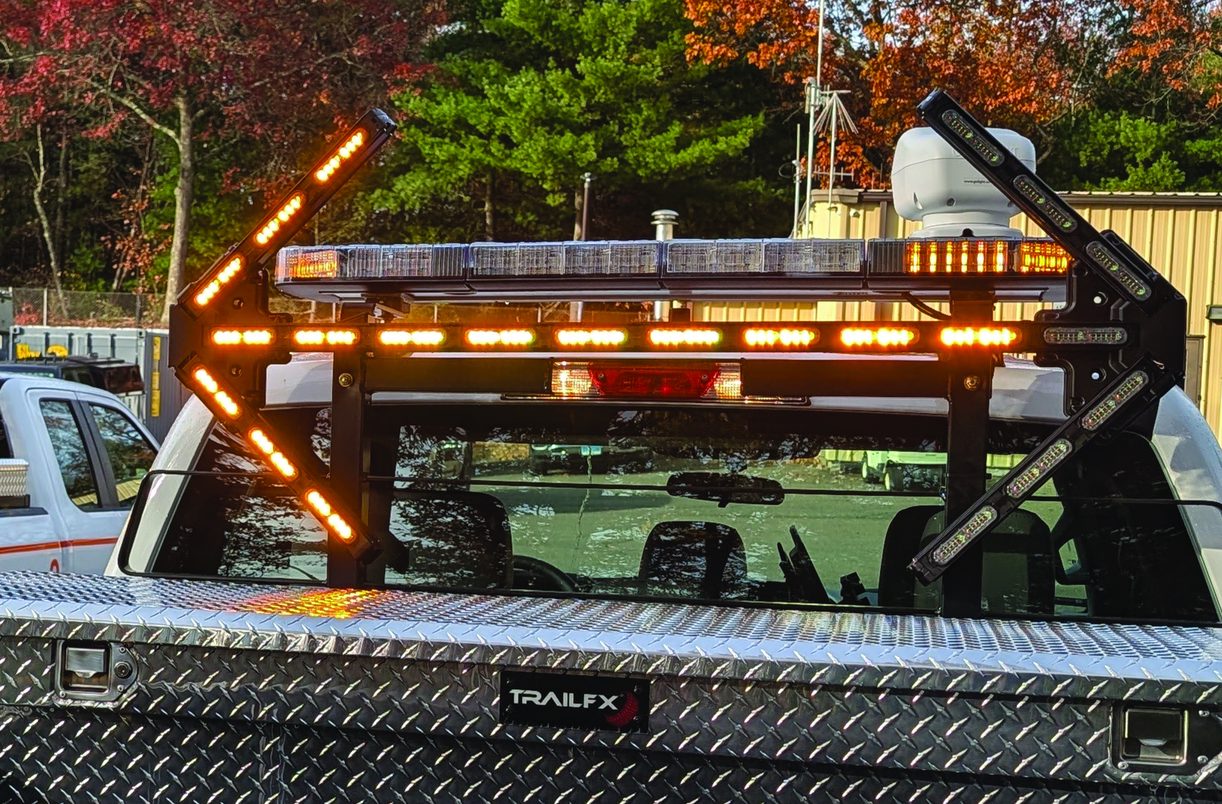
- Warning lighting for visibility and traffic awareness
- Scene lighting to support safe, effective work environments
- Control systems that simplify operation and reduce variability
- In-vehicle mounting and workspace solutions that support a clean, functional cab environment
The goal isn’t to make every vehicle identical but to make them predictable and easy to operate.

Supporting the Operator
Consistency at the vehicle level directly impacts the operator.
When systems behave the same way across vehicles:
- Training becomes simpler
- Operators can focus on the task, not the controls
- Safety improves through reduced guesswork
A well-organized cab where controls, screens, and mounted equipment are positioned consistently, also improves ergonomics and reduces distraction in day-to-day operation.
Modern control platforms also introduce automation, allowing systems to respond to vehicle inputs like gear, park, or PTO, reducing reliance on manual activation.
Simplifying the Fleet
Standardization doesn’t just help in the field, it improves how fleets are supported internally.
Fleets can benefit from:
- Reduced SKU counts and inventory complexity
- More consistent warranty and service processes
- Faster troubleshooting and easier diagnostics
It’s not just about what’s on the vehicle, it’s about how the entire fleet is managed.
Integrating with the Upfit Ecosystem
This approach aligns closely with how fleets already operate.
Bodies, equipment, and vehicle configurations are often standardized through OEMs and upfit partners. Bringing lighting and control systems into that same framework helps create a more complete, integrated vehicle solution.
Rather than treating each system separately, everything works together as part of a defined package, built consistently from one vehicle to the next.
Looking Ahead: Connected Fleet Platforms
As fleets continue to standardize, new opportunities emerge.
Platforms like Whelen’s Core+ build on vehicle-level automation by introducing a cloud-connected layer, allowing fleets to maintain consistency over time and scale their approach across all vehicle classes.
This creates a foundation not just for standardization, but for a more connected and adaptable fleet moving forward.
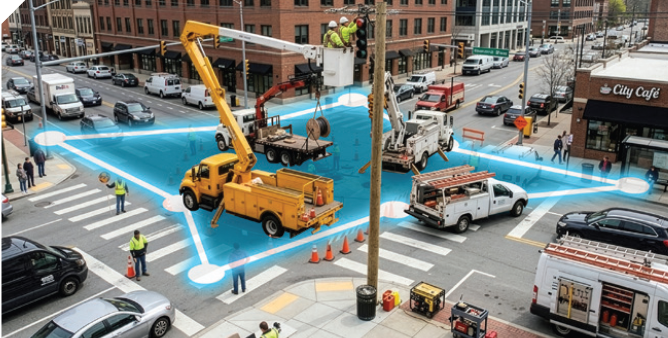
We recently had the opportunity to present on this topic at CUFC, where there was strong alignment across the industry around simplifying fleet builds and improving consistency.
If this is something you’re currently exploring, we’d be happy to connect and share how other fleets are approaching it.

The 2026 Snow Removal & Municipal Systems Catalog from Whelen is now available online.
Let's Connect
https://www.leslieandassociates.ca/
Manufacturers We Represent